UK Consumer Electronics Complete Guide: How to Choose the Right Tech
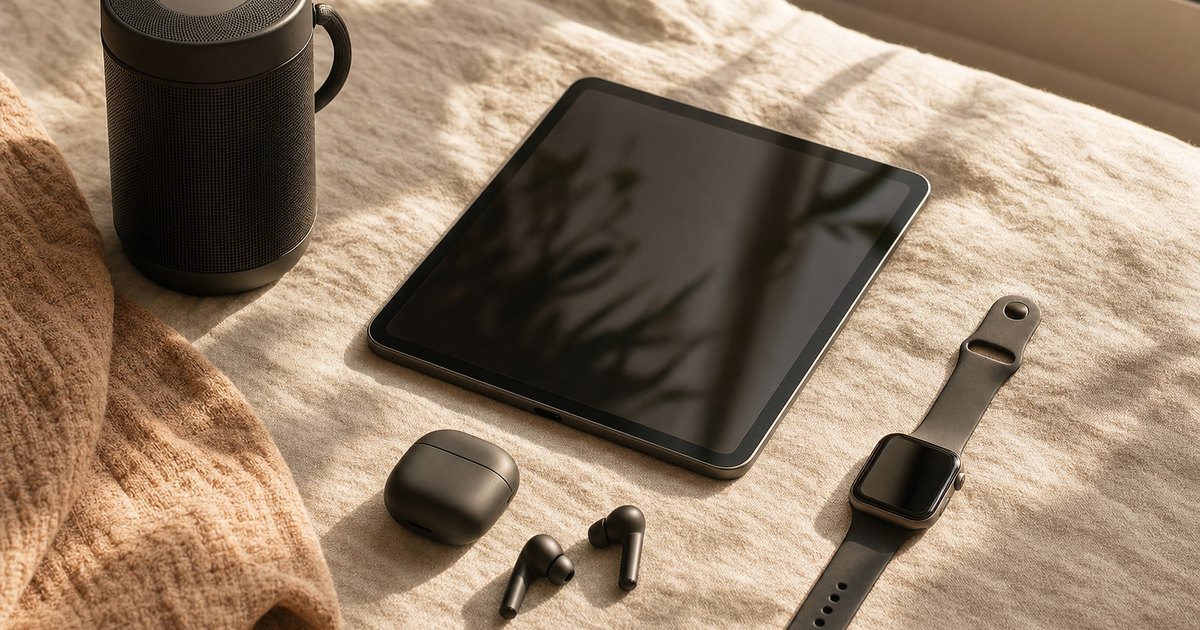
Quick answer: UK consumer electronics complete guide: how to choose the right tech
For this UK consumer electronics complete guide: how to choose the right tech comes down to matching a device's category, specifications and connectivity to how you'll actually use it, not to the longest feature list. Start by defining the task the device must do, check compatibility with what you already own, compare specifications against your real needs, and confirm return, warranty and delivery terms before buying.
- Define the specific task or room the device needs to serve
- Check compatibility with existing apps, accounts and other devices
- Compare core specifications rather than marketing names
- Confirm space, weight and power requirements before ordering
- Review the retailer's returns, warranty and delivery policy
- Read the product-specific details page, not just the headline listing
Key takeaways
- Consumer electronics categories (audio, display, computing, smart home, fitness tech) each have different priority specifications, so a single checklist rarely applies to every device.
- Connectivity and app ecosystem compatibility often matter more to daily satisfaction than raw hardware specifications.
- Retailer-listed dimensions, weight limits and included accessories vary by model and should be checked on the specific product page before ordering.
- Published specifications and marketing claims describe what manufacturers design a feature to do; actual results vary by setup, use and individual circumstances.
- Return windows, warranty length and delivery timeframes differ by retailer and category, and can affect total value as much as the device itself.
Definitions
Consumer electronics
Consumer electronics is the broad category of devices made for personal or household use rather than industrial or commercial settings. It spans phones, televisions, audio equipment, computing devices, smart home gadgets and connected fitness equipment.
Smart connectivity
Smart connectivity refers to a device's ability to connect to Wi-Fi, Bluetooth or an app so it can be controlled remotely, send data, or work alongside other devices. The scope of what a "smart" feature actually does varies widely between manufacturers.
Total cost of ownership
Total cost of ownership is the full expected cost of using a device over time, including any subscriptions, accessories, consumables or servicing, not just the upfront purchase.
Core concepts
Why category shapes the right questions to ask
A television buyer needs to think about screen size relative to viewing distance and input types, while a smart home buyer needs to think about hub compatibility and voice assistant support. Treating every electronics purchase with the same generic checklist tends to miss the specifications that actually matter for that category.
How specifications relate to everyday use
Headline specifications, such as processor speed, battery capacity or incline range on fitness equipment, only matter in the context of how the device will be used. A high number on a spec sheet is not automatically an advantage if it does not match the intended use case, available space or existing setup.
Why ecosystem compatibility affects long-term satisfaction
Devices rarely operate in isolation. A smart plug, display or treadmill that cannot connect to the apps, assistants or accessories a household already uses can feel limited even if its individual specifications look strong on paper. Checking app compatibility before buying avoids this mismatch.
How value extends beyond the purchase price
Because prices are not fixed and vary by retailer and time, value should be judged on total cost of ownership: included accessories, warranty length, delivery cost, and how straightforward returns are if the device does not suit the space or need.
Decision framework
| Step | Action | What to check |
|---|---|---|
| 1 | Define the need | The specific task, room or problem the device must address |
| 2 | List existing devices and apps | What it must work alongside, such as accounts, assistants or accessories |
| 3 | Identify relevant specifications | Two or three specifications genuinely tied to the task, such as footprint or incline range for fitness equipment |
| 4 | Compare a short list of models | Retailer-listed details for each specification, not marketing names |
| 5 | Check space and power needs | Available room dimensions, weight limits and any assembly requirements |
| 6 | Review retailer terms | Delivery timeframe, warranty length and return policy for that retailer |
| 7 | Decide and keep records | Save the listing details in case a return or warranty claim is needed later |
Real-world scenarios
Setting up a small home office with connected fitness equipment
A reader working from a compact flat may want a way to stay active during the day without dedicating a separate room to it. In this case, the priority specifications are folded footprint, weight capacity and how the deck fits under a desk, rather than top speed or incline range. A compact folding walking pad, such as the DeerRun Z20 Ultra-Compact Foldable Walking Pad Treadmill, is the kind of consumer electronics category where space and weight limits listed on the retailer page should be checked against the actual room before ordering.
Building a connected fitness setup with incline training
A different reader may already have a dedicated space and want equipment that supports varied training, including incline work. Here, the decision framework points toward comparing incline range and deck length rather than footprint alone. The DeerRun Flex Rise 1 Walk-to-Run Treadmill is listed with an auto incline feature and a full running deck, which is the kind of specification worth weighing against how the equipment will actually be used, since the retailer's stated incline range should be verified on the current listing.
Comparing several models before deciding
A reader who is not sure which category or model fits best may prefer to browse a wider range before narrowing down. Checking a retailer's full range, such as the DeerRun best sellers page, allows side-by-side comparison of listed specifications, which supports the "compare specifications" step in the decision framework above rather than replacing it.
Common mistakes
- Buying on headline specifications alone: a high number (resolution, speed, incline) that does not match the intended use case can leave a device underused. Match specifications to the actual task first.
- Skipping compatibility checks: a device that cannot connect to existing apps or assistants can feel limited regardless of its individual quality. Confirm app and ecosystem compatibility before ordering.
- Not measuring the available space: electronics and fitness equipment both have real-world footprints that may not match product photos. Measure the space and compare it to listed dimensions.
- Ignoring weight or power limits: exceeding a stated weight capacity or power requirement can affect performance and warranty cover. Check these figures on the specific listing.
- Overlooking delivery and returns terms: larger electronics can be costly or slow to return if they do not fit. Review the retailer's delivery and returns policy before purchase, not after.
- Assuming all listings are identical: the same product name can appear with different accessories, warranty terms or specifications depending on the retailer. Always check the current listing rather than relying on memory of a similar product.
- Treating marketing claims as guarantees: terms like "smart" or "auto" describe a designed feature, not a guaranteed outcome, and results vary by setup and individual use.
Limitations and checks
Specifications, included accessories, warranty length and pricing can change after publication and vary between retailers, so always verify current details on the official product page before buying. This guide does not confirm stock availability, exact dimensions, delivery timeframes or current pricing for any named product; those details are shown on the retailer's own listing and in the product-details information provided alongside this article. No hands-on testing of the products mentioned has taken place, so statements about features reflect what is published rather than independent verification. Where a feature is described as designed to do something, individual results can vary depending on setup, usage and personal circumstances.
Also on Amazon
Search Amazon for more options and compare reviews and delivery times.
As an Amazon Associate I earn from qualifying purchases.
Bottom line
Choosing consumer electronics well is less about chasing the most features and more about matching category-specific specifications to a clearly defined task, checking compatibility with what you already own, and confirming space, delivery and return terms before ordering. For a compact space with limited floor area, a folding walking pad such as the DeerRun Z20 fits the footprint-first priority. For a dedicated space where incline training matters, the DeerRun Flex Rise 1 fits that different set of priorities. Whichever category you are shopping for, follow the same framework: define the task, compare relevant specifications, check compatibility, and verify the listing before buying.
Frequently asked questions
What counts as consumer electronics?
Consumer electronics covers devices designed for personal or household use, including phones, televisions, audio equipment, computers, smart home gadgets and connected fitness equipment like treadmills. The category is defined by its intended user, not by a single type of device.
How do I know which specifications actually matter?
The specifications that matter depend on the task the device needs to perform, such as screen size for viewing distance or folded footprint for a small room. Identify the task first, then compare only the two or three specifications directly relevant to it rather than the full spec sheet.
Does a higher price always mean better quality?
Not necessarily, since price reflects many factors including brand, included accessories and retailer margin rather than quality alone. Comparing listed specifications and checking reviews on the retailer's own page is a more reliable way to judge fit for your needs.
Why does app or ecosystem compatibility matter?
A device that cannot connect to the apps, assistants or accessories already used in a household can feel limited even if its hardware is strong. Checking compatibility before buying avoids having to replace other devices later.
Should I check the return policy before buying electronics?
Yes, because larger electronics and fitness equipment can be difficult or costly to return once delivered, and return windows vary by retailer. Reviewing the policy before ordering avoids complications if the device does not fit the space or need.
Are smart features worth paying for?
Smart features can add convenience such as remote control or activity tracking, but they are designed capabilities rather than guaranteed benefits, and how useful they are depends on whether you will actually use the connected app or assistant. Weigh this against your own habits before prioritising smart features.
How often do product specifications change?
Specifications can change between product revisions or when retailers update listings, so a model name alone does not guarantee identical specifications over time. Always check the current listing for the exact version being sold.
Can I compare treadmills the same way as other electronics?
Yes, the same framework applies: define the task (such as walking during work or incline training), compare relevant specifications like footprint, weight capacity and incline range, check app compatibility if relevant, and confirm delivery and return terms on the specific listing.
Sources and further reading
Independent references on topics covered in this guide. We are not affiliated with these organizations.